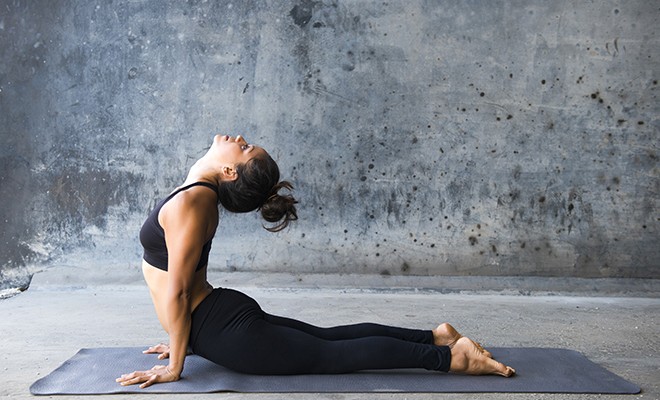
Starting a fitness program may be one of the best things you can do for your health. After all, physical activity can reduce your risk of chronic disease, improve your balance and coordination, help you lose weight, and even boost your self-esteem. And you can reap these benefits regardless of your age, sex or physical ability.
Regular exercise can help you control your weight, reduce your risk of heart disease and certain cancers, and strengthen your bones and muscles. But if you haven’t exercised for some time and you have health concerns, you may want to talk to your doctor before starting a new fitness routine.

When you’re designing your personal fitness program, consider your fitness goals. Think about your fitness likes and dislikes, and note your personal barriers to fitness. Then consider practical strategies for keeping your fitness program on track.
Starting a fitness program is an important decision, but it doesn’t have to be an overwhelming one. By planning carefully and pacing yourself, you can make fitness a healthy habit that lasts a lifetime.

Physical fitness provides strong bones and muscles, leads to better health and well-being, prevents various health problems, reduces the risk of several diseases like blood pressure, diabetes, cancer, etc. and improves a better quality of life.
Physical fitness reduces stress, tension and chances of being depressed and makes you feel better.

You can improve your physical fitness and body composition by making healthier food choices and regularly engaging in both aerobic and anaerobic exercises.
Regular exercise and physical activity promotes strong muscles and bones. It improves respiratory, cardiovascular health, and overall health. Staying active can also help you maintain a healthy weight, reduce your risk for type 2 diabetes, heart disease, and reduce your risk for some cancers.

